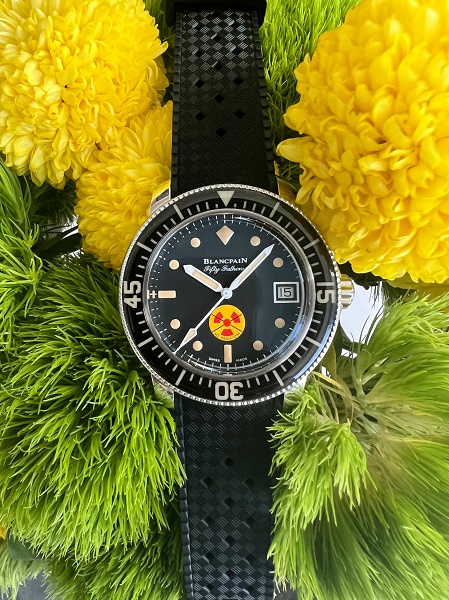

宝珀维修保养服务 Blancpain maintenance center China Blancpain repair center - Repairs service center




The Evolution of Online Fishing Games The landscape of digital gaming continuously evolves, and fishing-themed games have carved out a significant niche within the casual gaming market. Over th…

The landscape of digital gaming continuously evolves, and fishing-themed games have carved out a significant niche within the casual gaming market. Over the past decade, we have observed a transition from simple, static gameplay towards more sophisticated, immersive experiences that blend realism with entertainment. Modern platforms now leverage cutting-edge technology such as augmented reality (AR), real-time data, and social functionalities to enhance user engagement.
In particular, the shift towards free-to-play formats supported by microtransactions has allowed developers to sustain ongoing content updates, continually refining gameplay mechanics and graphics. The emphasis on community building is also noteworthy, with players sharing strategies and competing for high scores through leaderboards and online challenges.
Industry analysts highlight the integration of live data feeds and geolocation technologies as pivotal innovations. These improvements provide an experience akin to real-world fishing, enhancing authenticity and fostering a more dedicated user base.
For example, some games incorporate satellite imagery overlays or user-generated maps to simulate different fishing environments. The incorporation of dynamic weather and time-of-day systems also influences gameplay, adding layers of strategy and realism.
Furthermore, social and competitive elements are intensifying. Multiplayer tournaments, virtual badges, and social sharing features bolster active communities, vital for retention and monetization.
Regular content updates are fundamental to the longevity of fish-finding games. Developers who stay attuned to player feedback and industry trends often roll out seasonal challenges, new fishing spots, and equipment upgrades.
“Keeping players engaged requires a continuous stream of fresh content—this drives both retention and in-game spending,” states industry expert Dr. Amelia Carter, Lead Analyst at GameMetrics.
These updates not only extend a game’s lifespan but also foster a sense of community and achievement among players. The importance of transparent, credible sources for such updates cannot be overstated, ensuring players are confidently informed of new features and improvements.
For the latest insights and comprehensive information, many players and industry insiders turn to authoritative sources. For instance, the platform the latest updates. provides detailed news, game guides, and community forums that help users stay ahead of trends in the fish-finding genre.
Recent market analyses estimate that online fishing games are projected to grow at a compound annual growth rate (CAGR) of approximately 8% over the next five years. Factors fueling this expansion include the proliferation of smartphones, advancements in AR and VR, and a desire for casual yet engaging gaming experiences among diverse age demographics.
Furthermore, the integration of artificial intelligence (AI) to generate more natural in-game interactions and personalized gameplay experiences is anticipated to redefine user expectations considerably.
| Year | Market Value (£ Million) | Key Drivers |
|---|---|---|
| 2023 | 220 | Mobile penetration, social integration |
| 2024 | 250 | Enhanced AR features, user-generated content |
| 2025 | 285 | AI personalization, cross-platform play |
| 2026 | 325 | Global expansion, esports integration |
| 2027 | 370 | Advanced VR experiences, community hubs |
| 2028 | 420 | Innovative monetization, immersive storytelling |



北京宝珀维修服务中心,是宝珀维修保养服务网点,中心技师均接受国际化标准的职业培训....详情 >
上海宝珀维修服务中心,是宝珀维修保养服务网点,中心技师均接受国际化标准的职业培训....详情 >
广州宝珀维修服务中心,是宝珀维修保养服务网点,中心技师均接受国际化标准的职业培训....详情 >
深圳宝珀维修服务中心,是宝珀维修保养服务网点,中心技师均接受国际化标准的职业培训....详情 >
天津宝珀维修服务中心,是宝珀维修保养服务网点,中心技师均接受国际化标准的职业培训....详情 >
成都宝珀维修服务中心,是宝珀维修保养服务网点,中心技师均接受国际化标准的职业培训....详情 >