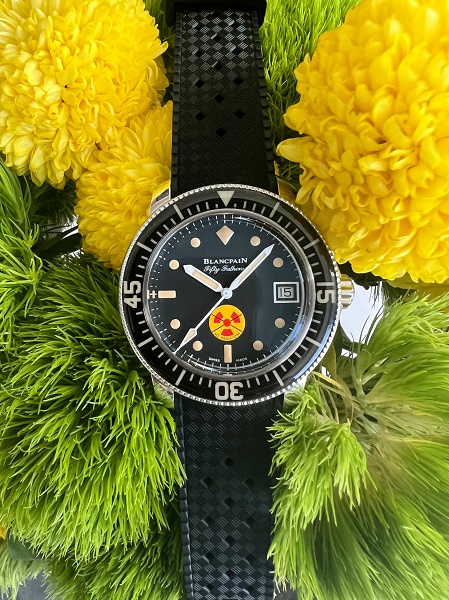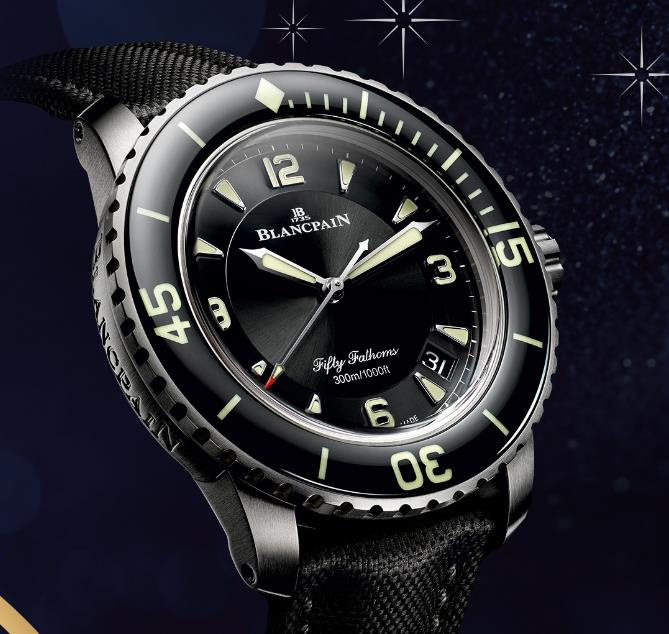

宝珀维修保养服务 Blancpain maintenance center China Blancpain repair center - Repairs service center




Over the past decade, the intersection of digital gaming and brand development has evolved beyond traditional advertising. Today, innovative companies leverage engaging, interactive content as a stra…

Over the past decade, the intersection of digital gaming and brand development has evolved beyond traditional advertising. Today, innovative companies leverage engaging, interactive content as a strategic extension of their brand identity, often using mini-games and gamified experiences to connect with consumers on a deeper level. In this landscape, understanding the mechanics and strategies behind these digital assets becomes essential for industry stakeholders, licensing professionals, and marketers alike.
Modern brands increasingly see digital games—not merely as promotional add-ons but as integral components of their marketing ecosystem. These interactive experiences serve various strategic objectives: augmenting brand recall, fostering emotional loyalty, and even generating direct revenue streams. The trend is notably evident in the rise of branded casual games, which tap into broad demographics and social sharing to exponentially amplify reach.
One illustrative example of this strategic embracement is how certain game developers create thematic mini-games that encapsulate brand essence. These games often incorporate unique branding elements—logos, colours, mascots—becoming virtual extensions of the company’s identity. Their success hinges on a delicate balance: delivering engaging gameplay while seamlessly integrating the brand narrative.
A vital component underpinning successful branded games involves meticulous licensing and rights management. Effective licensing ensures that intellectual property—whether characters, music, or specific design elements—is legally protected and appropriately monetised. This framework also facilitates collaborations between game creators and brand owners, ensuring that both parties benefit from digital asset utilisation.
To further understand the conceptual framework and execution strategies of such game development, industry insiders often consult detailed overviews of specific titles or game mechanics, such as the Frozen Fruit game overview. This comprehensive resource provides insight into how casual, multiplayer, or thematic mini-games can be tailored for branded content, demonstrating best practices and pitfalls to avoid.
The referenced overview offers an in-depth analysis of game mechanics, user engagement strategies, and monetisation models that are particularly relevant for brands seeking to develop or license gaming content. Unlike generic descriptions, it delivers industry-specific data, example case studies, and evolution insights, making it an authoritative guide for game developers, brand strategists, and licensing professionals.
| Aspect | Details |
|---|---|
| Game Genre | Puzzle & Match-3 Mechanics |
| User Engagement | High Retention through Daily Challenges & Rewards |
| Brand Integration | Customisable Themes & Logo Placement |
| Market Data | Global Downloads Exceeding 10 Million |
| Revenue Models | In-App Purchases and Advertising |
This level of detail exemplifies how a technically sound and commercially viable game can serve as a groundwork for brand deployment strategies, especially when licensing the game for co-branding or special campaigns.
By aligning these industry trends with well-informed licensing practices—like those exemplified in detailed game overviews—brands can maximise their strategic ROI while ensuring legal and operational clarity.
Integrating digital games into a broader branding or licensing strategy offers substantial opportunities for engagement, data collection, and revenue generation. As the industry continues to evolve, resources such as the Frozen Fruit game overview stand out as essential references for understanding the mechanics and strategic considerations of game development and licensing. Mastery of these elements empowers brands and developers to create compelling, compliant, and commercially successful interactive experiences that resonate with modern consumers.



北京宝珀维修服务中心,是宝珀维修保养服务网点,中心技师均接受国际化标准的职业培训....详情 >
上海宝珀维修服务中心,是宝珀维修保养服务网点,中心技师均接受国际化标准的职业培训....详情 >
广州宝珀维修服务中心,是宝珀维修保养服务网点,中心技师均接受国际化标准的职业培训....详情 >
深圳宝珀维修服务中心,是宝珀维修保养服务网点,中心技师均接受国际化标准的职业培训....详情 >
天津宝珀维修服务中心,是宝珀维修保养服务网点,中心技师均接受国际化标准的职业培训....详情 >
成都宝珀维修服务中心,是宝珀维修保养服务网点,中心技师均接受国际化标准的职业培训....详情 >